
Our Own Patriot Oysters
The earliest European settlers in New England discovered that the waters around Massachusetts were filled with large and productive natural oyster reefs. The Eastern oyster (Crassostrea virginica) provided a staple food source for both the Indigenous people and the colonists, and would be closely tied to Massachusetts’ history, culture, and economy for hundreds of years to come.
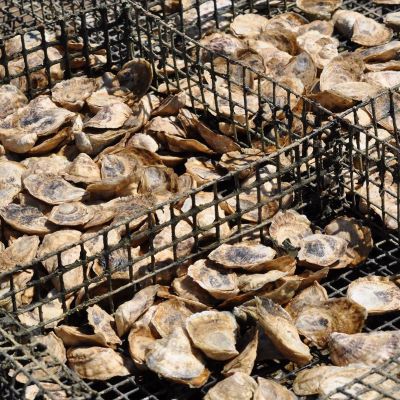
In 1776, as our Founding Fathers were building this country, they were also dining on oysters. During the Revolutionary War, oysters were an abundant, affordable, and essential food for people of all social classes along the American coast. Oysters were eaten raw, stewed, pickled, and fried at colonial taverns, where patriots gathered for meetings and political discussions.
 |
 |
 |
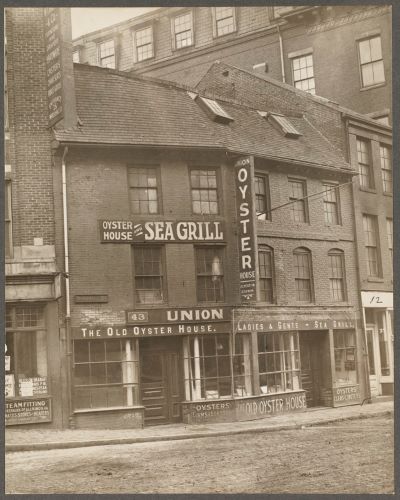
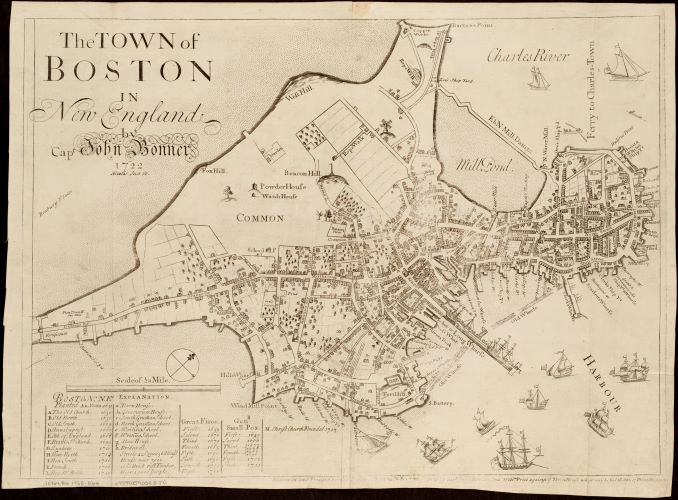
Historical records show oysters were heavily consumed; Martha Washington kept many recipes for oysters, Thomas Jefferson, a dedicated epicure, frequently served them at dinner parties for members of Congress, and John Adams reported eating 30 oysters at a time. So ubiquitous were oysters in the 18th and 19th centuries that the discarded shells were often used to pave streets and make building mortar. In Boston, the oldest restaurant in the country, Union Oyster House, is housed in a registered historic landmark building that has been an oyster bar since 1717.
 |
 |
Today they’re a delicacy, but their fresh, crisp taste is the same as it was during the birth of our nation—and so is the clean New England coastline where they’re farmed.
So, when you’re feeling patriotic and longing for a taste of history that’s at once refreshing and pleasant, wholesome and savory, do the right thing and shuck a Patriot Oyster.
 |
 |
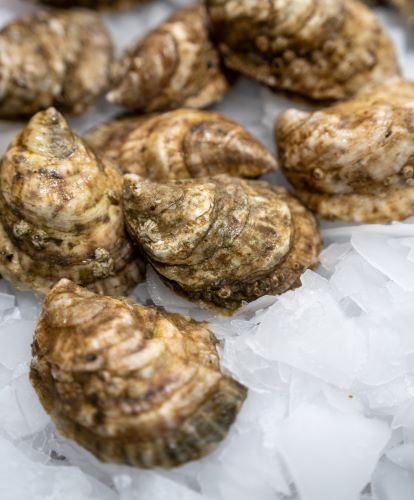 |
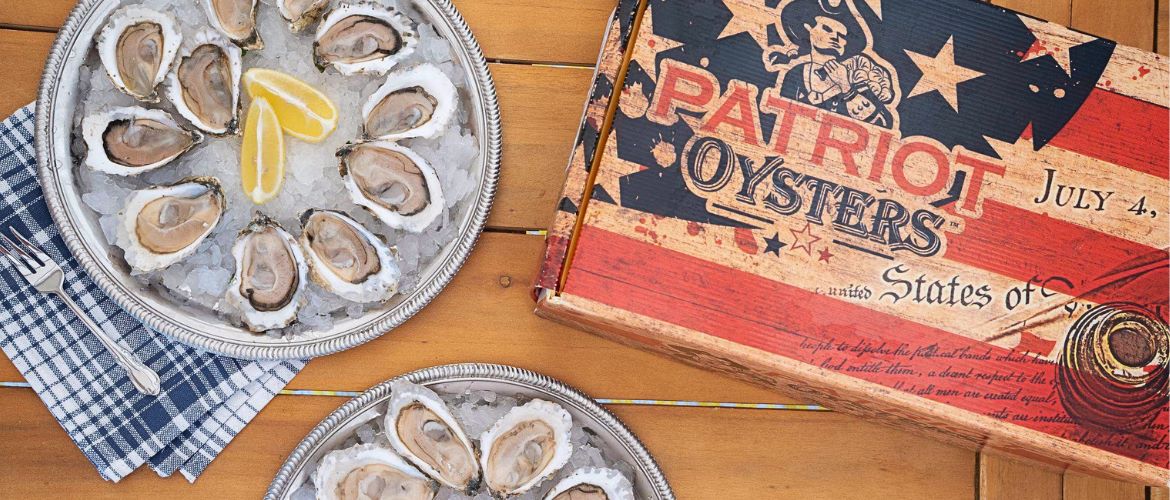
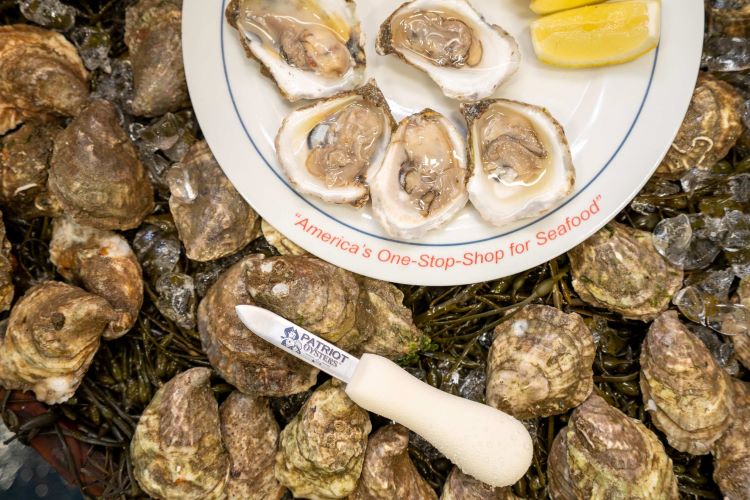
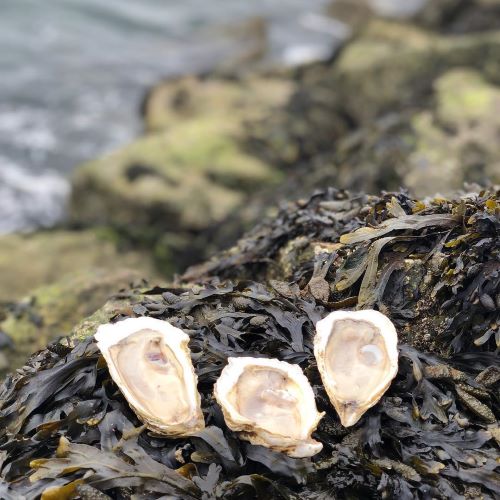
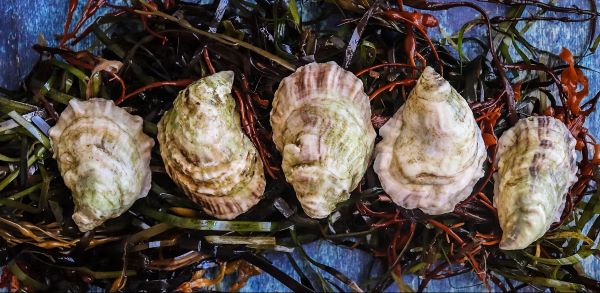
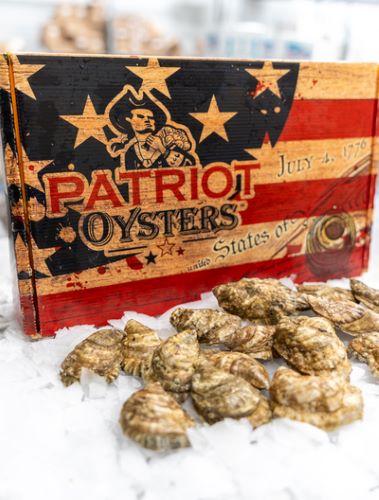
Our Patriot Oysters have a lovely, rounded teardrop shape and measure about 3 inches, with sturdy shells splashed with olive and lime greens. A bite into one gives a burst of salty ocean water up front that mellows to some sweet vegetal notes and a hint of cream. Hearty, plump meats and a firm texture round out the perfect bivalve package. The flavor profile is described as medium brine containing notes of umami and a clean, sweet mineral finish. Patriot Oysters make a great choice for raw bars, seafood menus, and specials during American holidays.
 |
 |
 |
 |
Oyster Sustainability
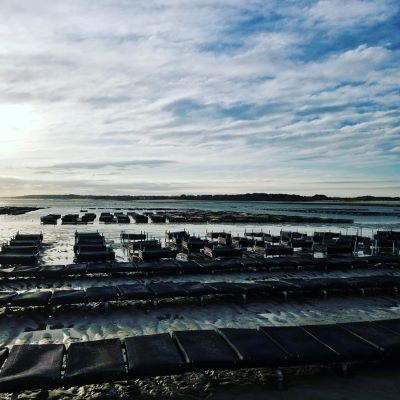
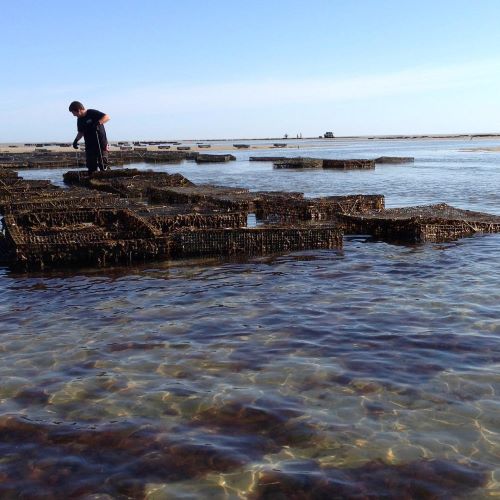
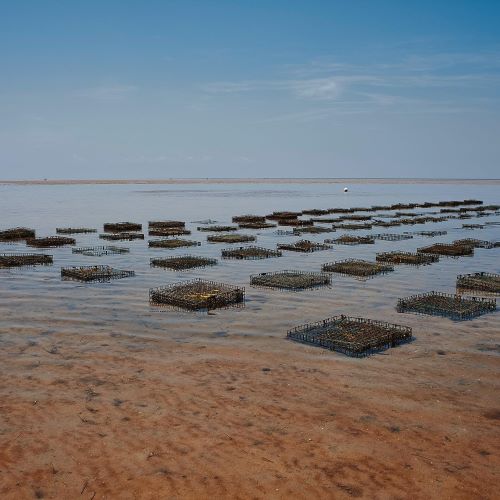
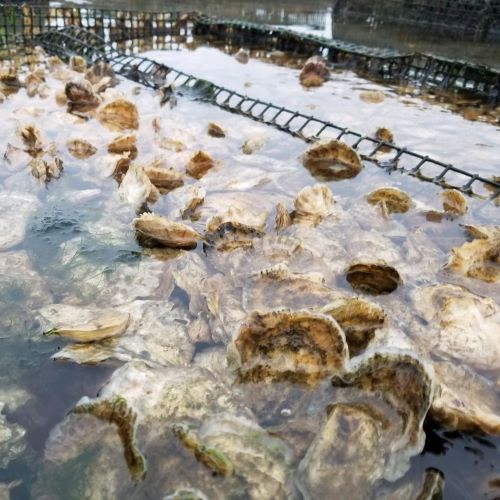
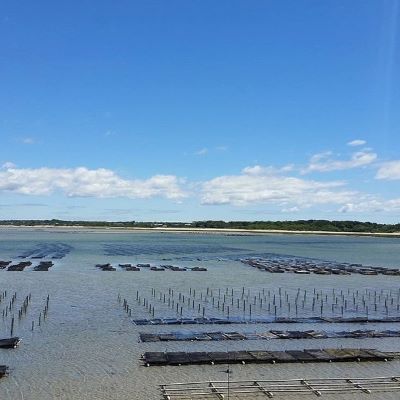
Patriot Oysters begin their life at the tidal flats of Crowes Pasture Beach in East Dennis, MA, where the Quivett Creek and Cape Cod Bay meet—an oyster’s throw from where the Pilgrims first landed. These flats are among the few protected marine nurseries in MA and are known as breeding grounds for horseshoe crabs, striped bass, squid, lady crab, and plover. A healthy oyster bed is an ecosystem all its own, supporting life of all kinds.
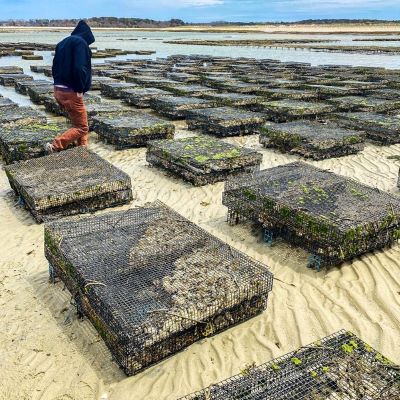
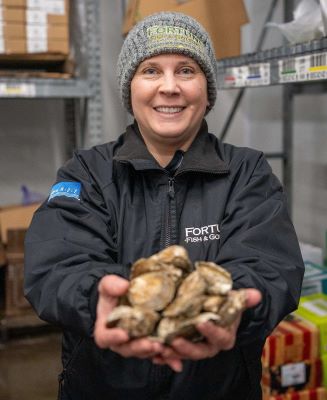
The farm is a partnership between Big Rock Oysters and Boston Sword & Tuna. Seed is purchased from Dr. Steve Malinowski at Fishers Island Oyster at 8-12mm and placed in 6mm square French purse-style grow-out bags in the waters of Crowes Pasture Beach. There, the oysters grow, elevated roughly 3-4 inches off the bottom of the sea floor. The oysters are tumbled and sized bi-annually into Australian Aquatrays measuring 3’x3’ and which are stacked three trays high, elevated off the sea floor.
The oysters feed off phytoplankton brought by large flushing tides from Cape Cod, and the freshwater from the nearby Quivet Creek. After three seasons, the oysters are tumbled a final time and hand-graded for market.
 |
Our Label
Our oyster logo reflects patriotic pride with a New England flavor. The Minuteman in a tricorn hat is heaving a sack of Massachusetts-grown oysters over his shoulder. Perhaps he is on his way to a tavern to plan a revolution over a platter of oysters on the half shell.
 |
 |
 |
On A Mission
Since 2017, Boston Sword & Tuna has supported Massachusetts’s Fallen Heroes to raise money for the foundation. For a month during the summer, $5 from every box of Patriot Oysters that is sold goes to their cause: honoring our fallen military heroes and supporting their families.
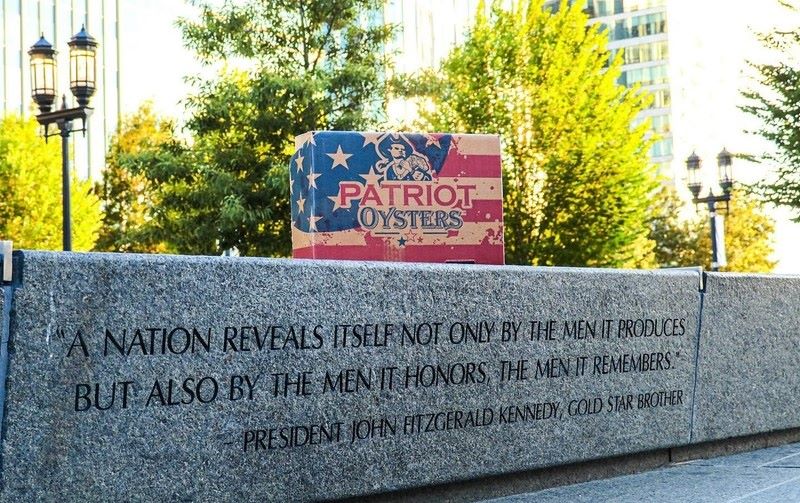 |
From the original patriots who founded our country to the patriots who give their lives to protect it, Boston Sword & Tuna— “America’s One-Stop-Shop for Seafood and Shellfish”— is proud to share these oysters with the nation.