
Living Aloha with Fresh Island Fish Co.
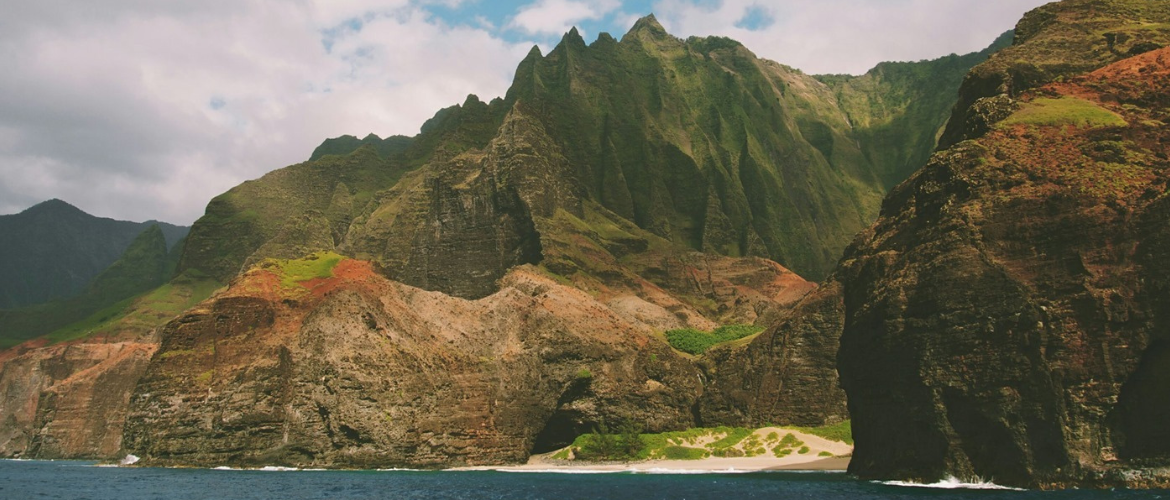
Hawaii’s seafood culture is built around the rhythm of the day’s catch. Pier 38’s Domestic Commercial Fishing Village in Honolulu is the heartbeat of that culture and home to Fresh Island Fish Co., a Fortune partner and source of yellowfin and bigeye tuna, called ahi in Hawaii, and bycatch like opah, monchong, escolar, and ono. Recently, MJ Gimbar, our Director of Fresh Seafood, spent a morning on the docks, watching the entire process from loading off the boats to the grading of ahi tuna. FIF works with over 30 vessels and long-time captains, tracking where boats are fishing and when they are landing, coordinating supply to get the fish in faster, fresher, and better handled. When it comes to ahi tuna, it's all about the handling at catch, cooling the fish down rapidly, and getting it to market the fastest way possible.
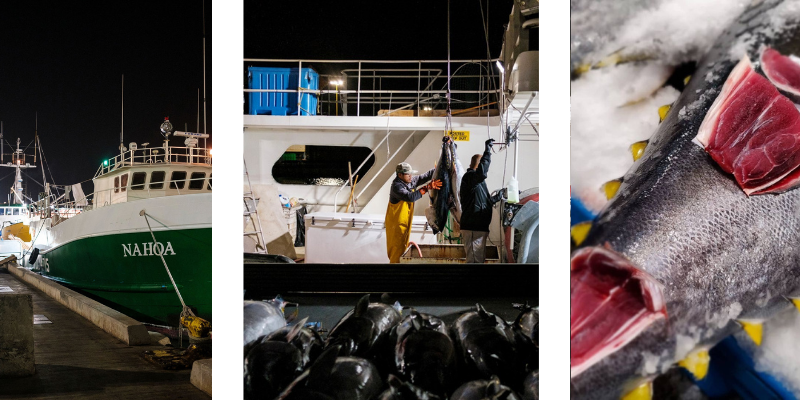 |
Fresh Island Fish Co. was founded in 1977 and has grown to become Hawaii’s largest seafood distributor, with facilities across the state in Oahu, Maui, Kona, and Kauai. They are the only distributor based at Pier 38, where they receive, process, and distribute a broad selection of wild-caught seafood.
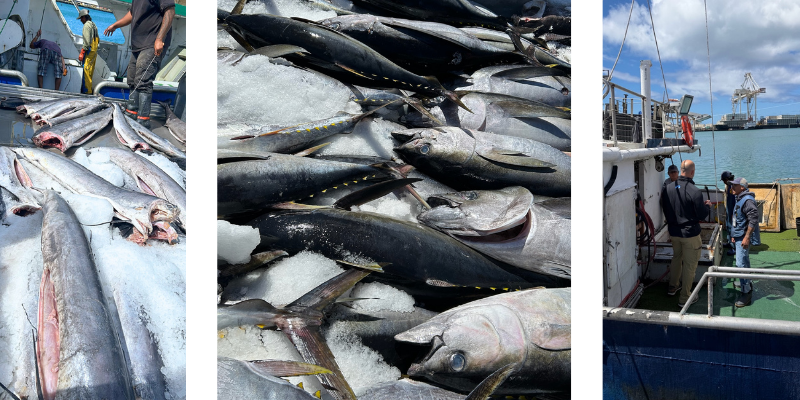
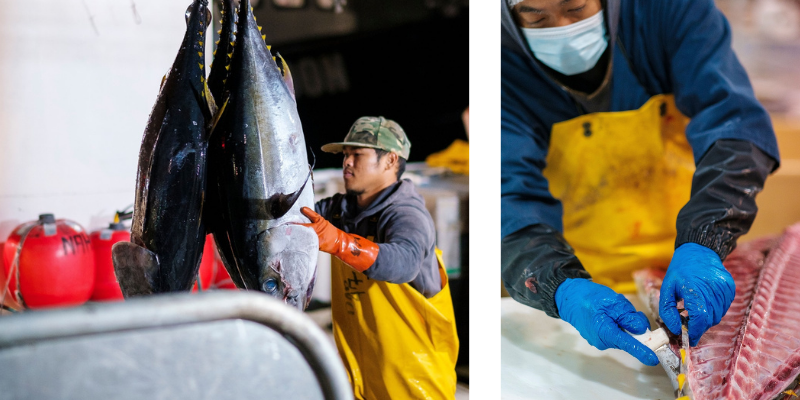
Their expert team purchases fish from the boat captains right on the dock; the fish goes from the ice hold to the iced cart to the grading room in a matter of minutes. Then skilled experts grade the ahi to fill that day’s orders. After grading, fish is packaged to ship and is at the airport (just minutes away), within just hours of being unloaded from the boat. Fortune receives that fish on the red-eye flight the next day, cutting days from the supply chain. Our own experts confirm the grading and further process fish for next day's orders.
 |
Deeply Rooted in Tradition
The family behind FIF has been catching and selling fresh fish for generations. Island life means you grow up depending on and respecting the ocean, and FIF recognizes the need to protect our seafood resources. They believe that a responsible approach to seafood sustainability ensures that future generations can “Eat fresh, live aloha,” as their slogan states.
While “aloha” is used as a greeting to say “hello” and “goodbye,” it embodies the Hawaiian philosophy of kindness, compassion, respect, and harmony. To “live aloha” is to be guided by these values in your actions, attitudes, and relationships with people, the land, and the divine. It expresses a deep reverence for all life, recognizing the interconnectedness of all beings, and a mindful approach to preserving the delicate balance of our planet. It’s the perfect expression of responsible and sustainable fishing methods and the values of Fresh Island Fish.
 |
Meet Captain Ulana
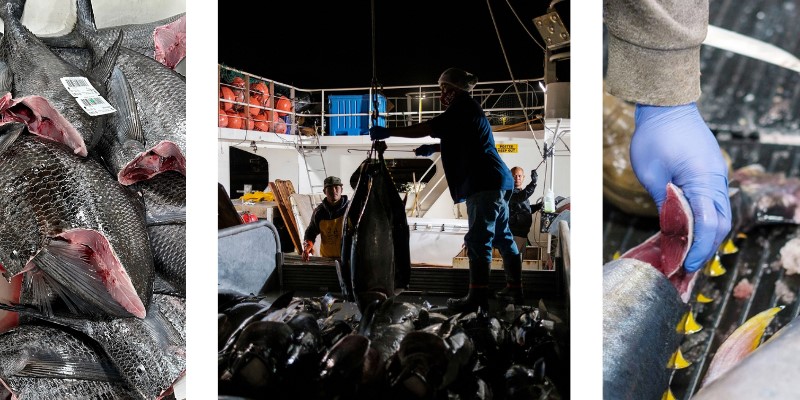
Ulana Kalahiki-Anthony is one of the boat captains that fishes out of Pier 38 and is a preferred FIF source for bigeye and yellowfin tuna. She’s making waves in a male-dominated industry as Hawaii’s first female longline fishing captain. Ulana is not just a fishing captain; she is a kanaka lawai’a, which means a native fisherman.
As a native, Ulana felt a deep ancestral call to find her place on the water, to be more intimate with the sea. “I was introduced to the maritime industry 10 years ago by the maritime career exploration program at Marimed. I immediately felt the call of the Moananuiakea (ocean), and since then I’ve diligently tried to answer, searching for my place on the ocean. And this time I think I finally got it right.”
A Cultural Responsibility
Born and raised in Kaneohe, Ulana was educated in Hawaii's immersion system, known as Ka Papahana Kaiapuni, which provides K-12 schooling in the Hawaiian language (ʻōlelo Hawaiʻi) to revive and perpetuate indigenous culture. Her interest in the ocean was awakened here, and today she weaves traditional Hawaiian values and protocols—such as aloha ʻāina (love of the land/ocean) and minimizing waste—into her daily work at sea.
She applies ancestral practices, studying the habits of different fish, moon phases, ocean currents, weather patterns, and seasonal spawning cycles. A kanaka lawai’a uses indirect language, such as saying "holo holo" (to go out) instead of “going to fish”—because it was thought that fish would hear that and hide.
“We are water people. We believe we come from the ocean, and to the ocean we will return. We are surrounded by the ocean; it’s not what cuts us off, but what unites us.”
 |
“Fishing Makes You Strong, The Ocean Makes You Strong”
What does it mean to fish the Pacific? Ulana spends up to 23 days at a time out on the open ocean in her boat, Katy Mary. She is the only woman on the vessel, living in tight quarters with her male fishing crew. The days are long; the conditions unpredictable, the work demanding, and the isolation—while awe-inspiring at times—can cause deep loneliness. Being the only woman on board a ship 200 miles from land can amplify those feelings.
“From my very first trip, I knew this was my kuleana (responsibility); it was rooted deep in my na’au (gut). There was no turning back. Some kuleana we get to choose; other kuleana are chosen for us. Holding space on our waters as a kanaka lawai’a is the kuleana I choose to accept. I don’t work on the water, but rather I work intimately with the water, and other elements, to feed the people.”
Ulana feels that sustaining and feeding the ones you love is a calling and a sacred mission.
“There is a responsibility to carry this on; it is a dying art. There are not many of us left who rely on the ocean in such an intimate way. We feel a need to teach the next generation.”
Follow her journey on social media for more videos like this one.