
The Story of Our Farmerette Cheese
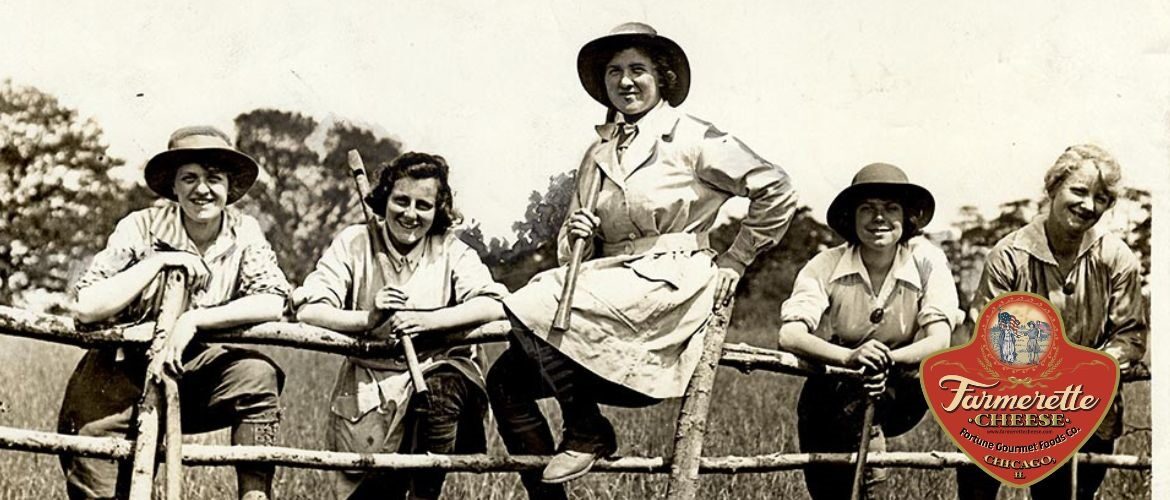
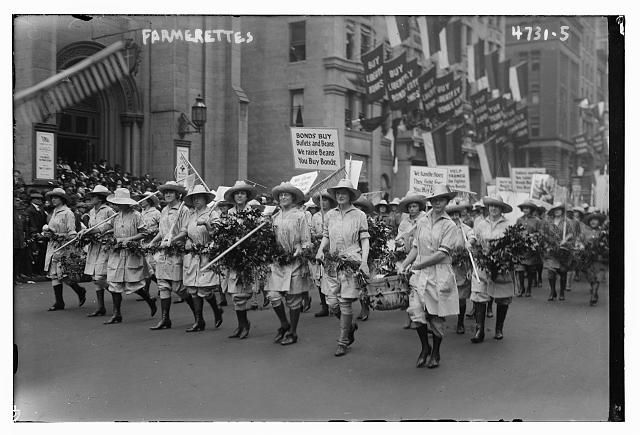
Before Rosie the Riveter, there were the Farmerettes. During World War I, a civilian program called the Women’s Land Army was organized to place women—students, office workers, homemakers—on farms to replace the men who had gone to war. The initiative was inspired by a program in Great Britain, and operated from 1917 to 1919, organized by state and region. The WLA was not funded by the government; instead, it was supported by garden clubs, women’s colleges, the YWCA, the DAR, Girl Scouts, and more civic organizations.
Known as Farmerettes, a term derived from suffragettes, the women received agricultural training, often at colleges, and then worked on individual farms and cooperative camps, planting, harvesting, dairying, and tending orchards, sheep, and poultry. About 20,000 Farmerettes—in practical uniforms that featured pants (!)—were on the job in thirty-three states, with the most productive units in Maryland, Massachusetts, New Jersey, New York, and Illinois.
 |
Soldiers of the Soil
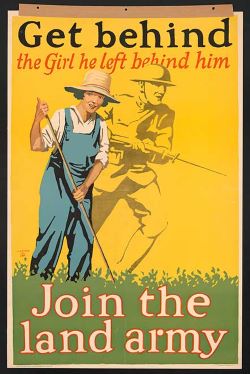
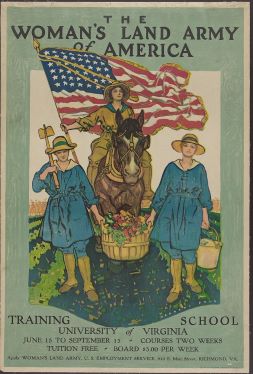
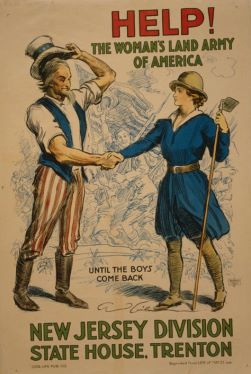
The program was framed as patriotic service; posters emphasized that the Farmerettes were “soldiers of the soil” helping to win the war by preventing food shortages at home and for the troops. The movement quietly challenged traditional gender roles and became tied to broader women’s rights and suffrage activism by demonstrating women’s capability in traditionally male work. They were also paid equal wages for their 8-hour days in the fields and orchards. While the women we initially met with skepticism in rural communities, they worked hard and earned their place in history, becoming the subject of contemporary songs, poems, news reels, and even acts in the Ziegfeld Follies.
 |
 |
 |
During World War II, the American Farmerette movement re-emerged under Franklin D. Roosevelt as part of a broader mobilization of women on the home front. Organized nationally in 1943, the new WLA recruited and placed women on farms, orchards, and in canneries to replace male agricultural workers who had gone into the armed forces or defense industry jobs. This time, the WLA was federally funded, though still organized by state and local organizations. In 1943, the WLA had 600,000 women workers in 43 states.
Our Farmerette Cheese
Fortune honors the memory of the Farmerettes in our dairy initiative that brings the best artisan cheeses to our customers. Like the women and men of our patriotic past, today’s independent dairy farmers are keeping tradition alive while providing nourishing food.
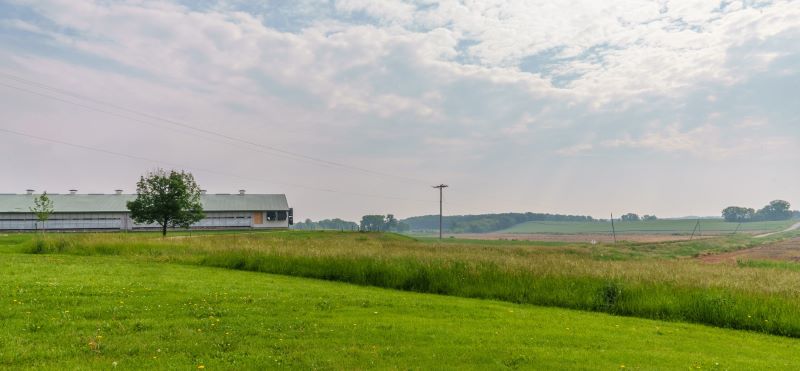 |
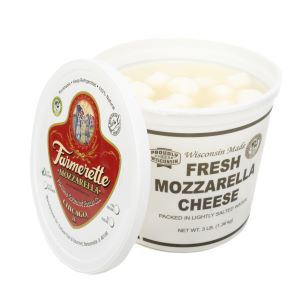
Our Farmerette Fresh Mozzarella is made on a rural family farm in Wisconsin, where the Holstein herd is well cared for and fed a homegrown diet of hay silage, corn, alfalfa, and soybeans. Our farmer partner is well respected in the industry for their top-notch individual cow care program and their sustainable stewardship of their land. The milk is piped directly from the dairy to the cheese factory, so the cheese-making begins within hours of milking. Using milk that is just hours out of the cow contributes to the fresh flavor of our line of handcrafted mozzarella.
Farmerette Fresh Mozzarella is available in four different sizes to accommodate a variety of menu needs: ovoline (egg size), bocconcini (bite size), ciliegine (cherry size), and perline (pearl size).
 |
 |
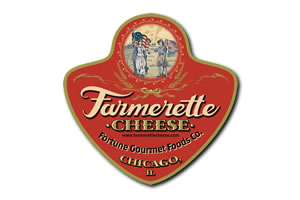
Our Label
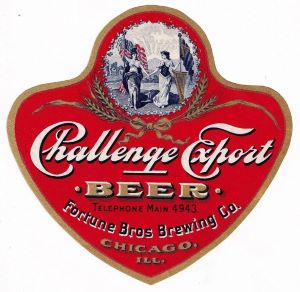
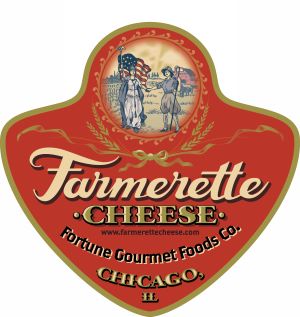
The Farmerette logo is inspired by a historic label from the Fortune Brothers Brewing Company. Irish immigrants Peter and John Fortune learned to brew at Guinness in Dublin and founded their Chicago brewery in 1857. Peter Fortune is the great-grandfather of Sean O'Scannlain, the founder and CEO of Fortune Fish & Gourmet, who proudly carried the Fortune name into the 21st century. The 1893 beer label featured Lady Liberty holding hands with a personification of Ireland, and our reimagined logo replaces Lady Hibernia with a Farmerette in WWI era clothes, and an agricultural scene as background.
 |
 |